
Fire and smoke damage claims
A fire is one of the hardest things a family can go through. The claim that follows is one of the most complex. We handle the documentation so you can focus on your family.
A fire claim has several parts
- The structure — burned areas, but also heat damage, smoke and soot throughout the home, and water damage from firefighting.
- Your belongings (contents) — every item damaged or destroyed, often hundreds or thousands of items, each needing a description and value.
- Additional living expenses (loss of use) — reasonable extra costs of living somewhere else while the home can't be lived in, up to your policy's limits.
- Other structures — sheds, fences, detached garages, if your policy covers them.
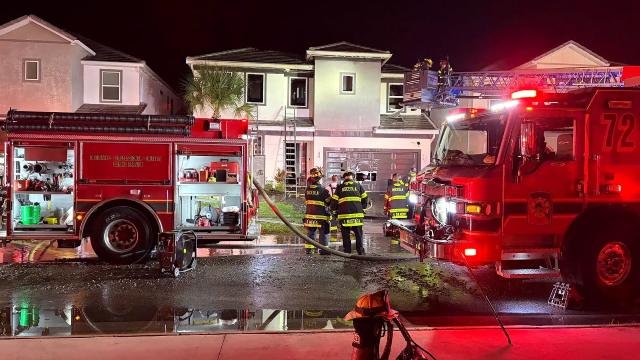
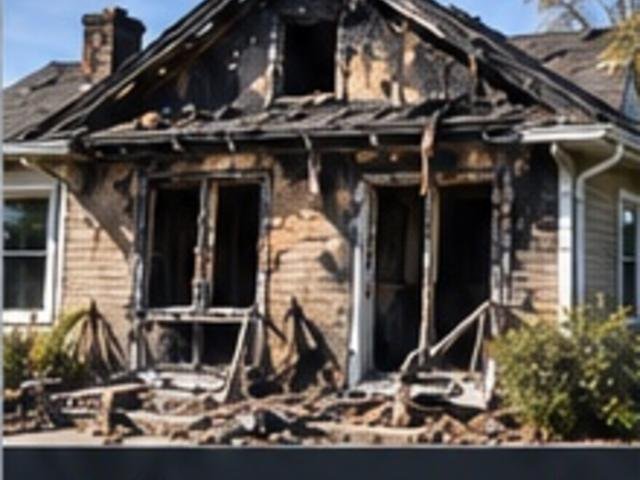
Smoke damage is easy to underestimate
Smoke and soot travel through ductwork, into closets, cabinets, insulation and fabrics far from the fire itself. The odor can remain after surface cleaning. A fire claim should account for cleaning or replacing what smoke reached, not only what burned.
First steps after a fire
- Make sure everyone is safe, and don't enter until the fire department says it's safe.
- Get a copy of the fire report.
- Report the claim to your insurance company and ask about additional living expenses right away.
- Secure the property (board-up, tarps) to prevent theft and weather damage. Keep receipts.
- Don't throw anything away before it's documented, even if it's ruined.
- Keep every receipt for hotels, meals and other extra expenses.
The contents inventory
Most policies require you to list damaged belongings. It's overwhelming after a fire. We help you build the inventory room by room — using photos, memory, receipts and bank statements — so things aren't forgotten.
Coverage, limits, deductibles and outcomes depend on each policy and the facts of the loss. We do not guarantee amounts or results.
Fire claim questions
Can I stay in a hotel while the house is repaired?
If the home can't be lived in and your policy includes additional living expenses (loss of use), the policy may pay reasonable extra costs of living elsewhere, up to its limits. Keep every receipt.
The fire was small, but the whole house smells of smoke.
Smoke damage can be part of the claim even in rooms the fire never reached. It should be inspected and documented, including the HVAC system.
Do I need receipts for everything I lost?
Not necessarily. Receipts help, but photos, videos, bank or card statements and descriptions also support the inventory. We help you put it together.