
Water damage claims
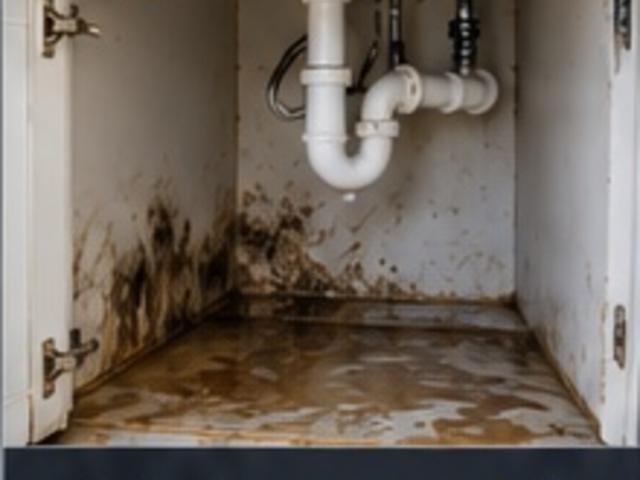
Water spreads where you can't see it — under floors, inside walls, into cabinets. A water claim is only as good as the documentation of everything the water reached.
Common sources of water damage
- Burst or broken supply lines and pipes
- Leaks from water heaters, washing machines, dishwashers and ice makers
- AC condensation lines that clog and overflow
- Toilet, tub and shower leaks
- Roof leaks after a storm (see roof & hurricane)
What policies usually look at
Every policy is different, but water claims often turn on a few questions:
- Was it sudden or gradual? Many policies cover sudden, accidental water discharge but exclude damage from leaks that continued over time. Some Florida policies set a specific time limit.
- Is the cause covered, or only the damage it caused? A policy may pay to repair the floors and walls a leak damaged, but not the broken pipe itself — or only the cost to access it.
- Is flood involved? Rising water from outside (storm surge, overflowing bodies of water) is generally not covered by a homeowners policy; it requires separate flood insurance.
- Are there water damage limits? Some policies cap certain water claims unless specific conditions are met.
We read your policy and explain how these questions apply to your claim.
What to do right away
- Shut off the water at the source or the main valve.
- Photograph and video everything before it's moved or dried.
- Start drying out — mitigation helps prevent mold. Keep every receipt and the mitigation company's reports.
- Keep a piece of the failed part (pipe, hose, fitting) if you can.
- Report the claim and write down the claim number.
Why hidden damage matters
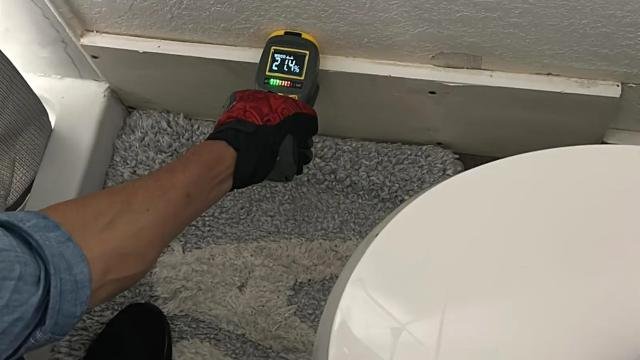
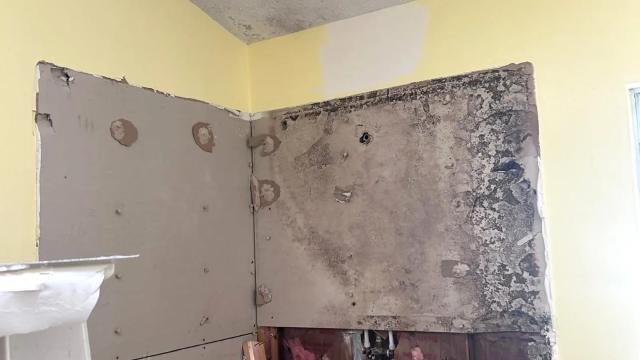
Wet drywall can look fine on the surface. Wood floors cup weeks later. Cabinets swell from the bottom. Insulation stays wet inside the wall. We document moisture beyond what's visible so that the claim reflects the full extent of the damage — not just the stain you can see.
Coverage, limits, deductibles and outcomes depend on each policy and the facts of the loss. We do not guarantee amounts or results.
Water damage questions
The insurance company says the leak was “long-term.” Is that the end?
Not necessarily. Whether damage was sudden or continuous is a question of fact, and the evidence matters. We review how the insurance company reached that conclusion and what the physical evidence shows.
Will my policy cover mold?
Many policies limit or exclude mold, but mold that results from a covered water loss may have some coverage. Acting quickly on drying is the best protection either way.
Is flood water covered?
Generally not under a standard homeowners policy. Flood (rising water from outside) is covered by separate flood insurance, such as an NFIP policy.