
Roof and hurricane damage claims
After a storm, the roof is usually where the claim starts — and where most disagreements happen. We inspect and document roof and wind damage carefully, and explain what your policy says before you make decisions.
Common storm damage we see
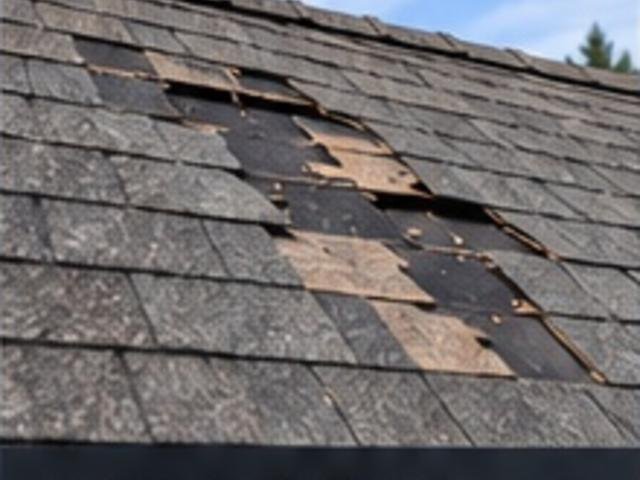
- Missing, lifted or creased shingles; displaced tiles; damaged metal panels
- Damage to flashing, vents, soffits, fascia and gutters
- Broken windows, doors, screen enclosures and fences
- Water that came in through the roof: stained ceilings, wet insulation, damaged drywall and floors
- Fallen trees and wind-blown debris
Interior water damage after a storm is often part of the same claim. Make sure it's documented along with the roof.
What to do after a storm
- Stay safe. Don't go on the roof. Watch for downed lines and weakened ceilings.
- Take photos and video of everything — outside and inside — before cleanup.
- Prevent more damage. A tarp, buckets, moving belongings. Keep every receipt.
- Report the claim to your insurance company and write down the claim number.
- Don't throw out damaged materials until they're documented.
- Be careful with door-to-door offers, especially anyone promising a “free roof” or asking you to sign over your benefits on the spot.
Hurricane deductibles, in plain words
Many Florida homeowner policies have a separate hurricane deductible, often a percentage of your dwelling coverage rather than a fixed dollar amount. That means it can be much larger than your regular deductible. It applies to damage from a hurricane as defined in your policy. We'll show you exactly how it applies to your claim — so you understand the numbers before the insurance company's decision arrives.
Repair or replace?
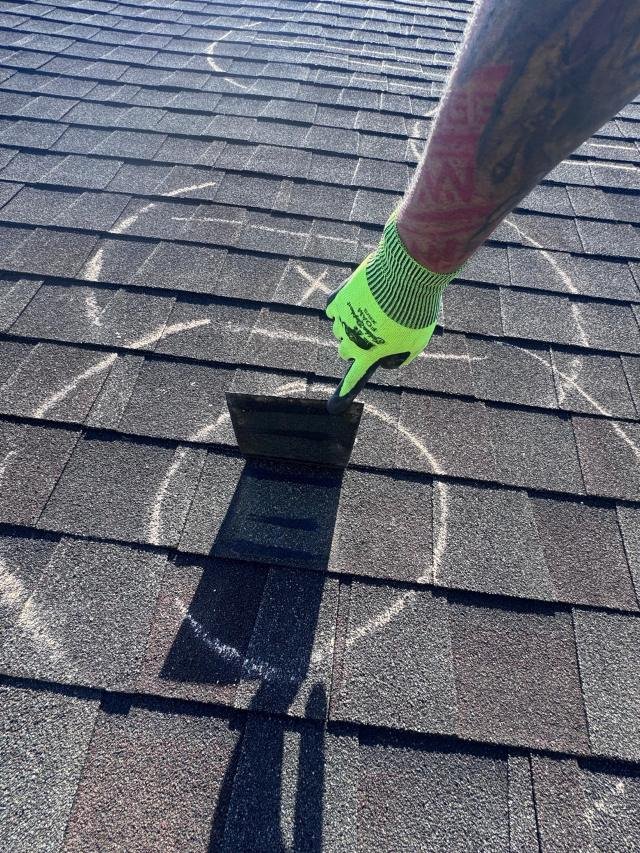
Whether a damaged roof is repaired or replaced depends on the extent of the damage, your policy and Florida's rules for roof claims, which have changed in recent years. We can't promise a new roof — and you should be wary of anyone who does. What we do is make sure every area of damage is inspected, measured, photographed and included in the claim, so the decision is based on the full picture.
Coverage, limits, deductibles and outcomes depend on each policy and the facts of the loss. We do not guarantee amounts or results.
Roof and hurricane claim questions
The insurance company said my roof damage is “wear and tear.” What now?
Policies generally don't cover normal aging, but they may cover sudden storm damage — even on an older roof. The difference is in the evidence. We inspect for storm-related damage and document it so the insurance company has to address it specifically.
I have a mobile home. Is it different?
Often, yes. Mobile and manufactured home policies can treat wind, roofs, carports and attached structures differently. See our mobile home claims page.
How soon should I report hurricane damage?
As soon as you safely can. Florida law and your policy set notice deadlines, and early documentation is always stronger. See the deadline question on How it works.